ENGINEERING DETAILS
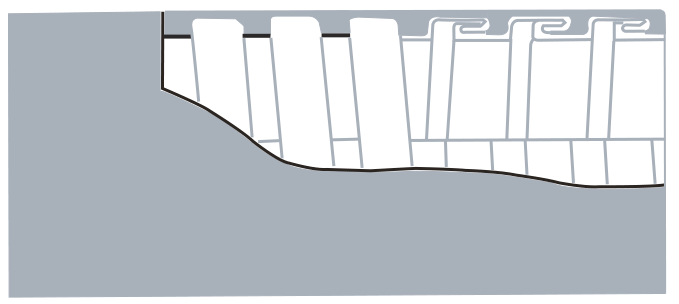
PVC-coated metal conduit section
Cutaway showing the galvanized steel strip and outer PVC sheath. Confirm jacket profile, clear bore and bend radius for the selected size.
 DUCHUANGCABLE SYSTEMS · SINCE 2013
DUCHUANG PRODUCT LINE
Flexible metal protection for cable routes through machinery, panels and equipment. Select the conduit construction and its terminations as one assembly.
All product lines10 selected product references
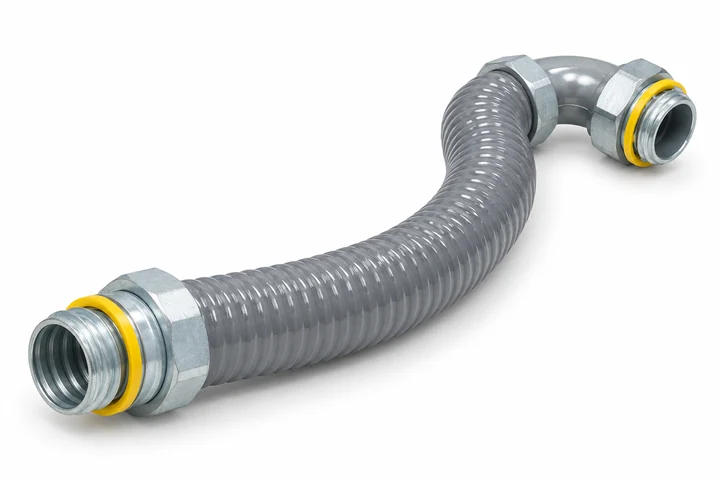
Introduction, dimensional enquiry and quotation details
View product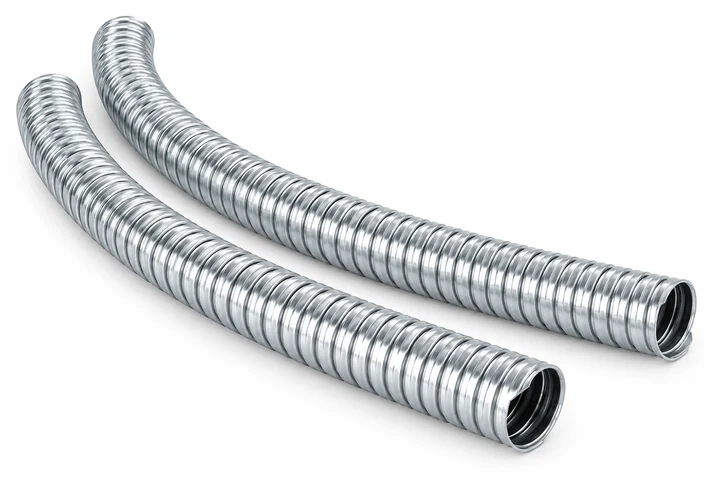
Introduction, dimensional enquiry and quotation details
View product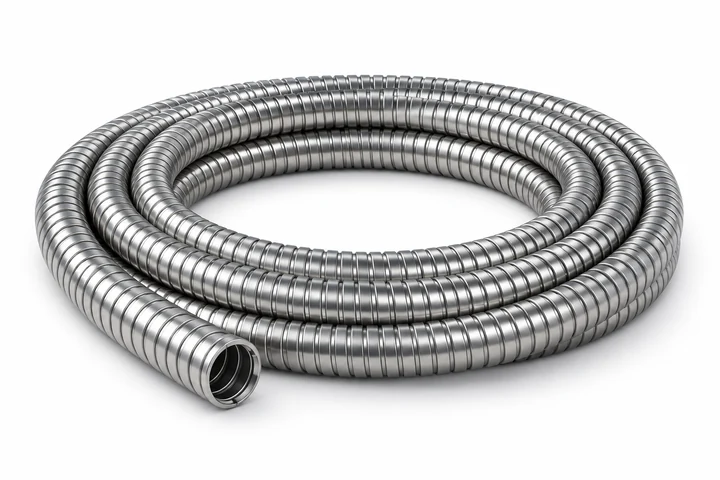
Introduction, dimensional enquiry and quotation details
View product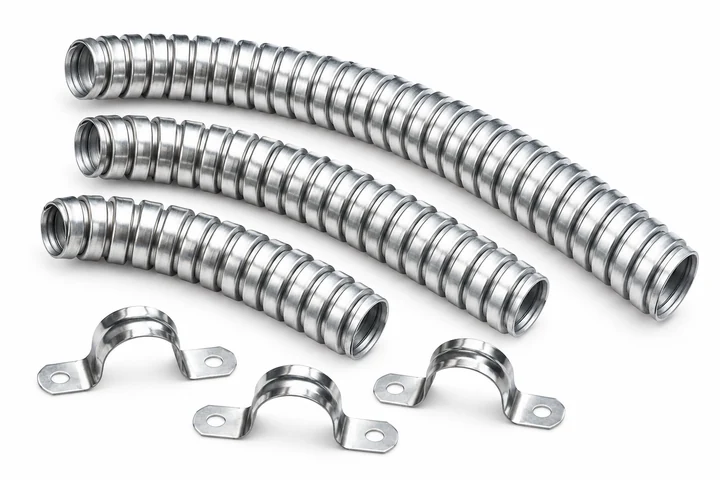
Introduction, dimensional enquiry and quotation details
View product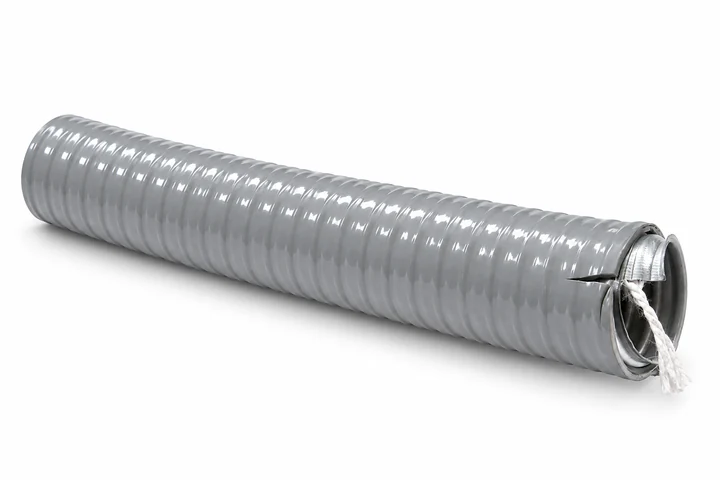
Introduction, dimensional enquiry and quotation details
View product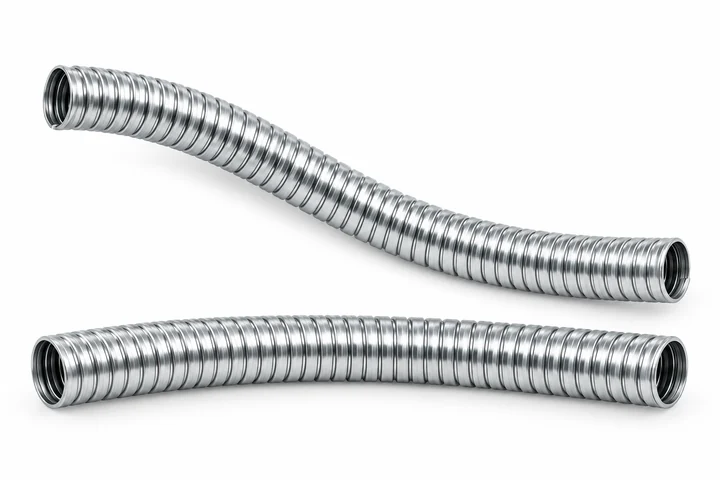
Introduction, dimensional enquiry and quotation details
View product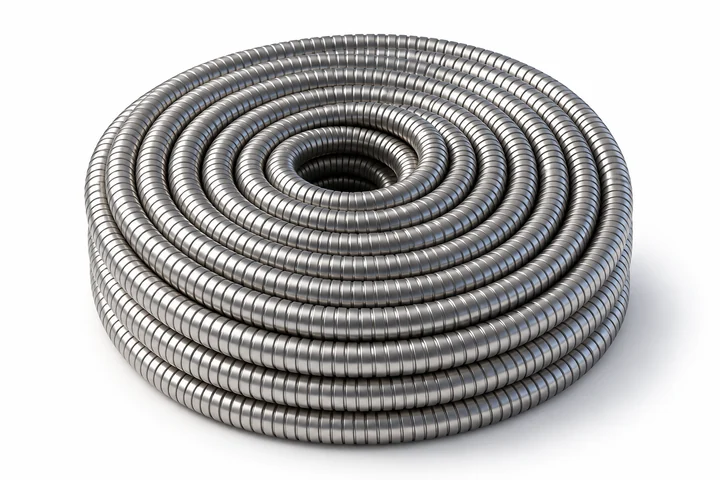
Introduction, dimensional enquiry and quotation details
View product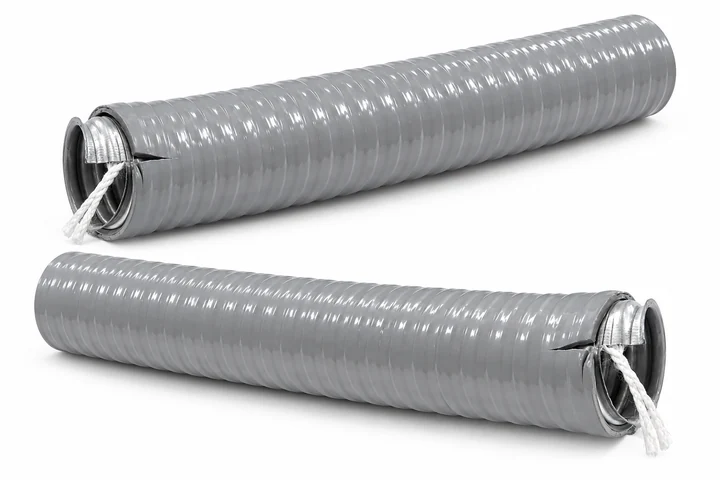
Introduction, dimensional enquiry and quotation details
View product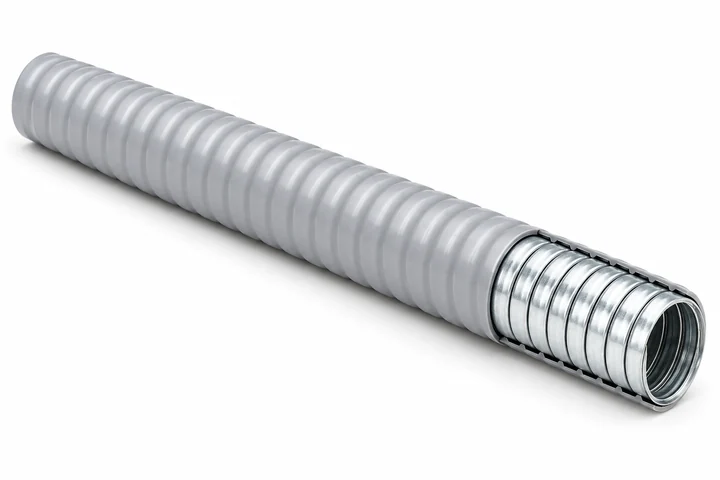
Introduction, dimensional enquiry and quotation details
View product
Introduction, dimensional enquiry and quotation details
View productCONSTRUCTION & DIMENSIONS
Choose the construction that matches your application. Final dimensions and tolerances are confirmed for the selected product.
ENGINEERING DETAILS
Cutaway showing the galvanized steel strip and outer PVC sheath. Confirm jacket profile, clear bore and bend radius for the selected size.
ENGINEERING DETAILS
Section through a smooth outer jacket and interlocked metal core. Packing and jacket construction are specified separately.
UNDERSTAND THE RANGE
Helically formed metal conduit provides a flexible route around electrical cables. Select the construction together with bore, bend radius and compatible termination fittings.
Compare uncoated and coated designs against the installation environment.
Confirm the complete cable bundle, connector clearance and minimum permitted bend radius.
Match the conduit construction and outside diameter to the fitting, then check the enclosure thread.
Identify abrasion, moisture, oils, temperature and whether the route moves during operation.
Cabinet-to-machine connections, equipment wiring and protected cable routes around machinery.
Not necessarily. Use the model drawing for the actual bore and outside diameter; check fitting compatibility separately.
No. Sealing depends on the conduit construction, fittings and installation. Request the performance documentation for the proposed assembly.
BUYER GUIDE
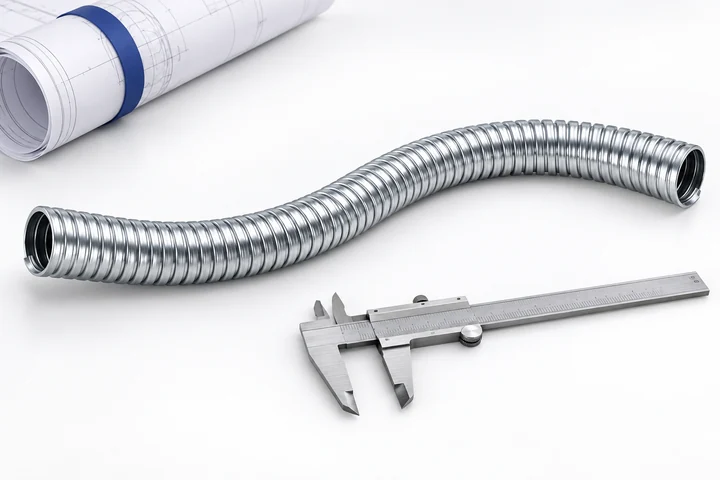
Select flexible metal conduit by cable bundle size, movement, mechanical exposure, environment, and the required fitting system. Confirm actual internal diameter, bend radius, material, jacket, and connection details. Treat ingress protection and electrical continuity as properties requiring documented system verification.
Read the guide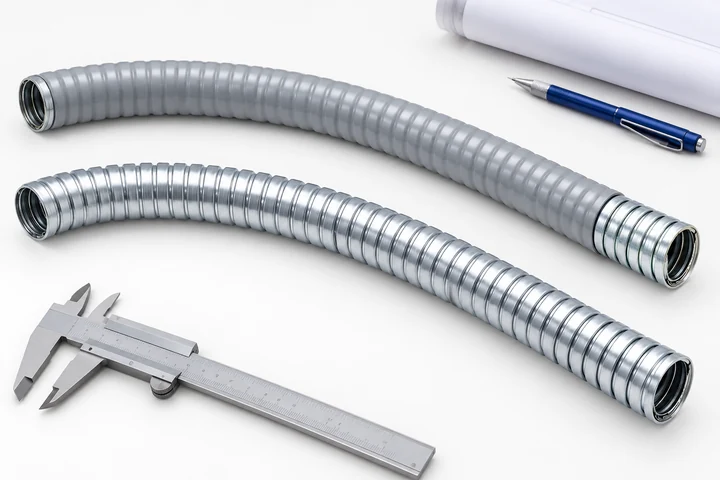
BUYER GUIDE
Choose coated metal conduit when the specified jacket and matching fittings address the installation's liquid or surface exposure. Consider uncoated conduit when its documented mechanical, temperature, and environmental properties fit the job. A coating alone does not establish liquidtight performance.
Read the guide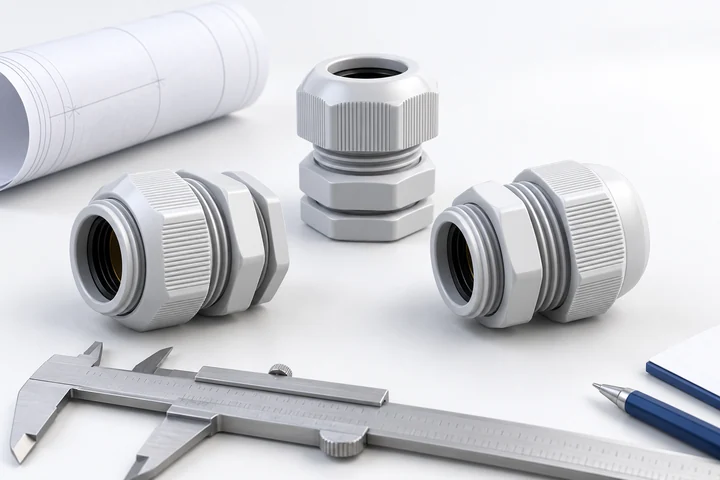
BUYER GUIDE
Choose a cable gland whose declared clamping range includes the cable's actual outside diameter, then verify enclosure mounting and installation conditions. An IP marking describes tested ingress protection; it does not compensate for an incorrect cable fit or incomplete assembly.
Read the guidePRODUCTION & SUPPLY
See forming and processing views, then discuss the finished bore, core construction, coating and fittings for your cable route.
Formed metal conduit provides a flexible routing structure. Profile, strip material and finished bore need to match the approved product construction.
Conduit dimensions and jacket construction are defined for the intended cable route. Confirm the core, outside diameter, coating and matching fittings when ordering.
Retouched views from our workshop and stock photographs.